Zadanie 5, matura maj 2025, język angielski podstawowy
Darmowe konto pozwoli wrócić do niego później.
Zadanie
Polecenie
7 punktówPrzeczytaj cztery teksty (A–D). Wykonaj zadania 5.1.–5.7. zgodnie z poleceniami.
Tekst A
JOE’S TENNIS BLOG
You’ve sent me lots of questions about tennis tournaments, so this week I’m going to focus on Wimbledon. Next week, I will share some tips for people who want to start playing tennis and have asked me for advice.
But for now, some facts about Wimbledon:
• The Wimbledon tournament sets the highest standards for tennis. An example of this is that all competitors must be dressed in white, and even cream clothes are not accepted. The idea behind it is that your attention should be on the players, not on what they are wearing.
• About 54,000 tennis balls are used during the Wimbledon tournament every year. They were also white until 1986, when the organizers decided to make a change. The white balls were replaced with yellow ones to make them more visible to people watching television.
Na podstawie: www.quora.com; www.maxim.com; evanevanstours.com
Tekst B
THE OUTSIDER
I first picked up a racket when I was about three. There were no junior rackets at the time, so my grandfather shortened the handle of an adult racket for me. But it was still too heavy, and I had to hold it with both hands. Who knew that this would have such an effect on the game of tennis?
As I got older and stronger, Mom said, “Maybe you should take one hand off the racket?” But that didn’t work out.
Back then, almost nobody hit the ball with a two-handed backhand, so when I first started playing, people said, “You can’t play like that.”
The two-handed backhand has some advantages. One of these is that the extra hand enables you to hit the ball with more power. When Chris Evert and I came on the scene, we both had two-handed backhands and we were winning everything. The two-handed backhand became the fashion and almost everyone started copying us. And players are still using it today.
Na podstawie: Jimmy Connors, The Outsider: A Memoir, New York 2014.
Tekst C
Message
From: Sandra
To: John
Subject: tennis lesson
Hi John,
Next week I’m going to my first ever tennis lesson. I’m a complete beginner, so I’m very nervous. I would be grateful if you could give me some tips to help me prepare and feel more confident. I have no idea what to expect. I have no skills, and it’s going to be just me and my coach.
I’ve been pretty obsessed with tennis recently and I’ve read a lot about Wimbledon. I’ve learned that they keep the balls in refrigerated containers during the tournament. And after the tournament, visitors to Wimbledon can buy a can of three balls which were used by the players for just £3 – that’s really cheap, and what a great souvenir!
Please write back soon!
Sandra
Na podstawie: www.reddit.com; evanevanstours.com
Tekst D
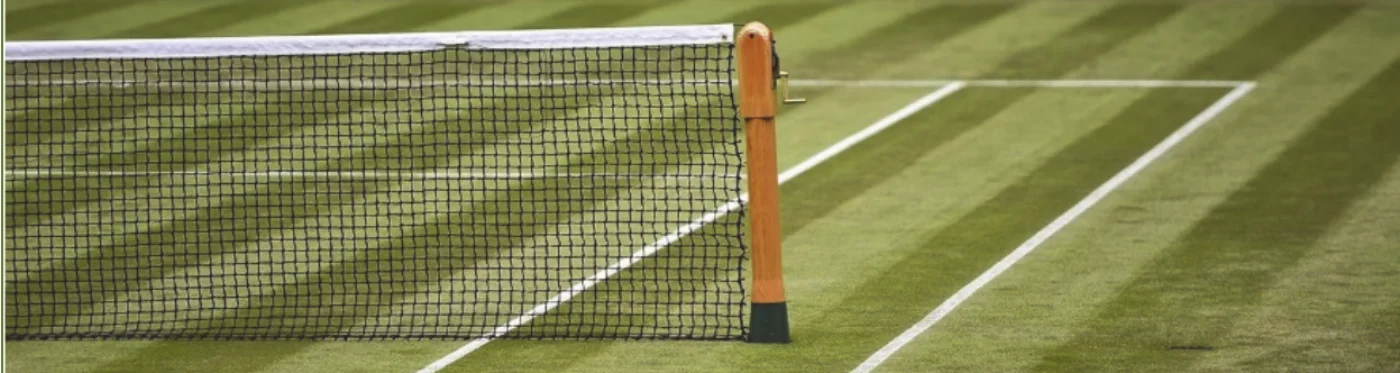 Powiększ
TENNIS TRAINING CLUB
WHAT WE BELIEVE IN
• Tennis improves your fitness.
You don’t have to be fit to start playing, because tennis will make you fit. We also offer a range of workouts to build your muscles.
• You can play at any level of skill and have fun.
If you come to our club, you will always have a great time chasing a little yellow ball around a court with someone, whether it’s your first lesson or a hundredth.
• You can learn to play the game at any age.
Based on advice from a Wimbledon player, we have adapted the ways we teach tennis to suit different age groups.
We are looking forward to seeing you. New courses begin in the summer!
Na podstawie: www.stylist.co.uk
Źródło: wimbledon.com
Przeczytaj zdania 5.1.–5.3. Dopasuj do każdego zdania właściwy tekst (A–D). Wpisz rozwiązania do tabeli.
Uwaga: jeden tekst nie pasuje do żadnego zdania.
5.1. This text gives information about a change that was inspired by certain tennis players.
5.2. According to this text, you can enjoy playing tennis even if you are a beginner.
5.3. In this text, the author is asking for some advice.
Przeczytaj wiadomość, którą Anna wysłała do kolegi. Uzupełnij luki 5.4.–5.7. zgodnie z treścią tekstów (A–D), tak aby jak najbardziej precyzyjnie oddać ich sens. Luki należy uzupełnić w języku angielskim.
Uwaga: w każdą lukę można wpisać maksymalnie cztery wyrazy.
Hi Ben,
You’ll be glad to hear that I’ve taken your advice. I’m going to start learning to play tennis. I’ve done some research on the internet, and I’ve chosen one of the clubs in my area. I have learnt that if you want to join the club, it doesn’t matter what your fitness level is, how well or how badly you play, and even 5.4.
you are.
The club uses teaching methods developed with the help of 5.5.
, so I hope I’ll learn fast.
I’ve already bought my first tennis racket, and I also have a comfortable skirt and a neon pink top designed for tennis. In my opinion, it’s not fair that players who take part in Wimbledon can wear only 5.6. .
And guess what! I’ve heard that at Wimbledon they 5.7.
used during the tournament when they are no longer needed. I’d like to get some if I’m lucky enough to visit London one day.
Anyway, keep your fingers crossed!
By the way, I hope we’ll have a game or two when I come to see you in the autumn.
Anna
Korepetytor
Nie wiesz, jak ruszyć? Korepetytor zna to zadanie i poprowadzi Cię krok po kroku, bez gotowca.
5 rozmów · bez karty · Zaloguj się
Sprawdź się
Jak poszło?
Pokaż rozwiązanieUkryj rozwiązanie
Odpowiedź z klucza CKE
5.1. B
5.2. D
5.3. C
5.4. how old / what age
Przykładowe akceptowane: how old or young; the age (that); how young; at what age / in what age; in what age group / in which age group; what age group; how old you are; what age you are (akceptowane powtórzenie wyrazów po luce). Niepoprawne m.in.: how many / much years; if older; in which age; age group; how fit / how skilled; how good; any (age); how old are you.
5.5. a Wimbledon (tennis) player
Przykładowe akceptowane: a Wimbledon competitor / participant; (a/the) professional Wimbledon player; the player from Wimbledon; a wimbledon player; a Wimbledon player’s advice; Wimbledon player advice; Wimbledon player advise; advice from Wimbledon player. Niepoprawne m.in.: Wimbledon players (więcej niż jeden gracz); a tennis player; a professional player; a coach; Chris Evert; somebody who played at Wimbledon i tips / advice from a Wimbledon player (przekroczony limit wyrazów); Wimbledon pleyer; Wimbledon tenis player; from a Wimbledon player.
5.6. white clothes
Przykładowe akceptowane: white; white set of clothes; clothes in white color; clothes in white; white colour; white clothing; whites; all white; white sporting clothes; white sports clothes; white clothes and shoes; plain white clothes; perfectly white outfits; white outfits / costumes / uniforms / gear / kit / dress / wear / fits. Niepoprawne m.in.: (dressed) in white; wear white clothes; white skirt / shorts / T-shirts; comfortable white clothes; white cloths; white sets; white suits; white things.
5.7. sell (tennis) balls
Przykładowe akceptowane: are selling / ’ve been selling balls; offer to sell balls; sell cans of balls / can of balls; sell balls which were / that are; sell as souvenir balls; sell the balls they / sell the balls players; sell yellow balls; let you buy balls. Niepoprawne m.in.: sell balls witch were; sell three balls; sell ball; pick up / collect / give / keep / give away / refrigerate balls; were selling / sold balls; can/could sell balls; can buy / offer to buy balls; selling (a) balls / sells balls; sell cans of three tennis balls (przekroczony limit); sall balls; offer balls.
W 5.4.–5.7. akceptowane są wszystkie odpowiedzi nieujęte w zasadach oceniania, które są merytorycznie poprawne i spełniają wszystkie warunki zadania.
Schemat punktowania
poprawna odpowiedź.
odpowiedź niepoprawna albo brak odpowiedzi.
Komentarz. W zadaniu 5.4. akceptowane są: what age, how old or young, the age (that), how young, at what age, in what age, in what age group, in which age group, what age group, how old you are, what age you are. W zadaniu 5.5. akceptowane są: a Wimbledon competitor/participant, a professional Wimbledon player, the player from Wimbledon, a wimbledon player, a Wimbledon player's advice, Wimbledon player advice, Wimbledon player advise, advice from Wimbledon player. W zadaniu 5.6. akceptowane są: white set of clothes, clothes in white color, clothes in white, white colour, white clothing, whites, all white. W zadaniu 5.7. akceptowane są: keep/sell the balls (that were) used during the tournament; odpowiedzi wskazujące na balle, które były używane podczas turnieju; rozumiane jako handlowanie kulkami lub przechowywanie kulek używanych podczas turnieju.