Zadanie 5, matura maj 2025, język angielski rozszerzony
Darmowe konto pozwoli wrócić do niego później.
Zadanie
Polecenie
5 punktówPrzeczytaj tekst, z którego usunięto pięć fragmentów. Wpisz w każdą lukę (5.1.–5.5.) literę, którą oznaczono brakujący fragment (A–F), tak aby otrzymać spójny i logiczny tekst.
Uwaga: jeden fragment został podany dodatkowo i nie pasuje do żadnej luki.
 Powiększ
 Powiększ
CHALKING DAY
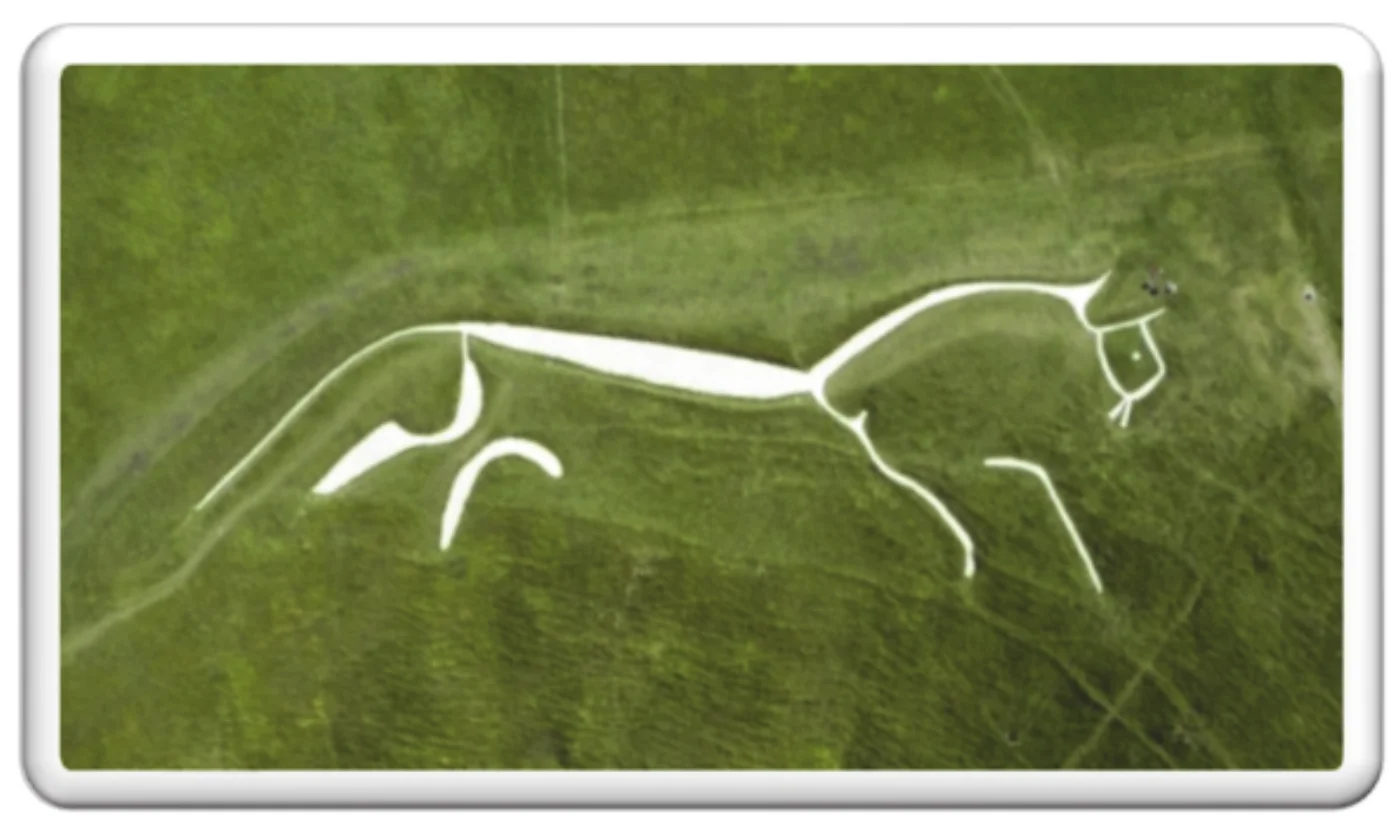
It’s early morning and I am standing in the valley near the village of Uffington in Oxfordshire, England, looking up at the high curve of grassland above me. One thing dominates the view. Across the side of the hill runs an enormous white stick figure, a horse cut from the chalk.
It has a thin body, a curiously long tail and a round eye set in a square head. This is the Uffington White Horse, the oldest of the English hill figures, the size of a football field and visible from 20 miles away. 5.1. They are volunteers who are coming to clean it.
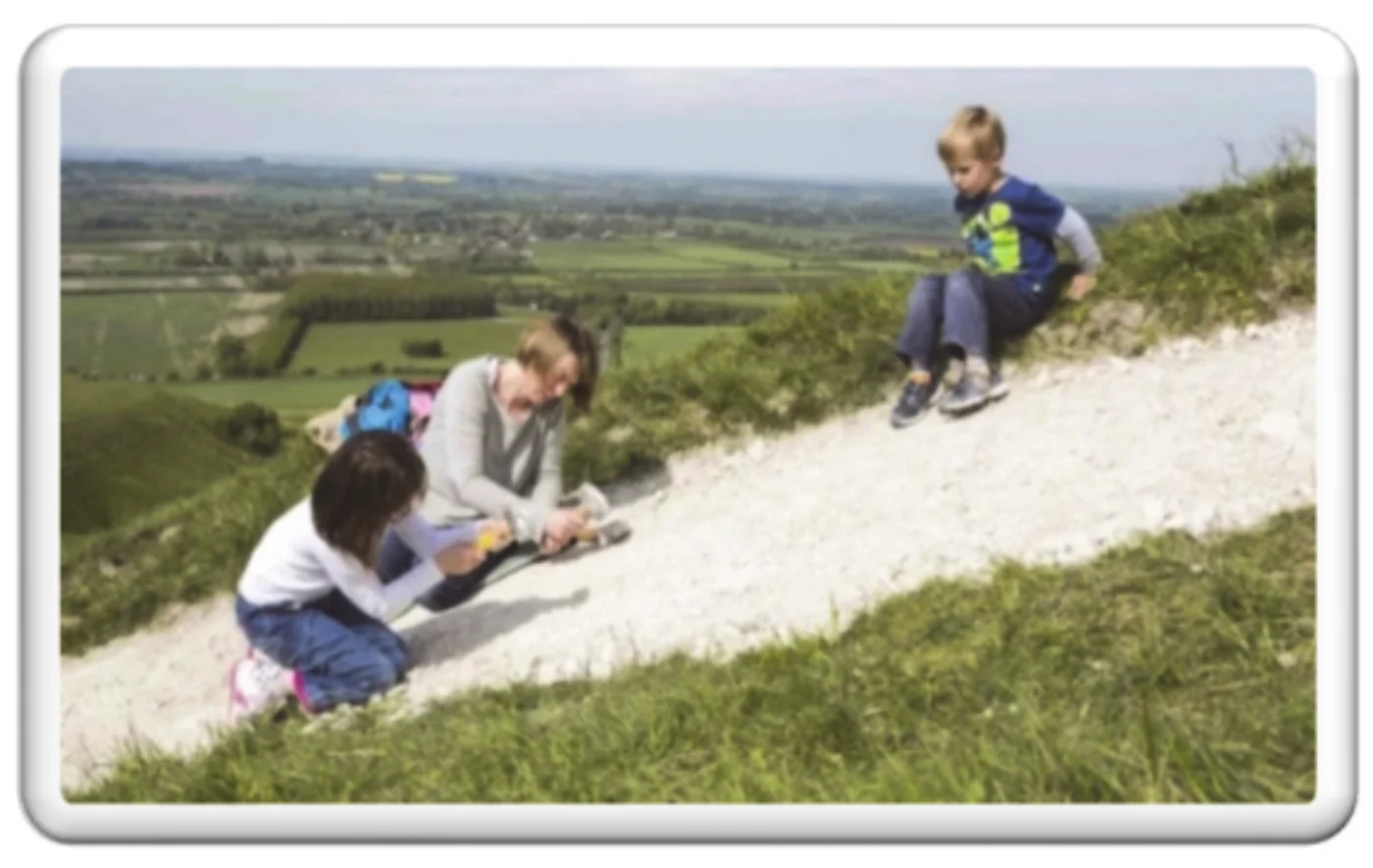
It’s chalking day, a cleaning ritual that has happened here regularly for three millennia. Hammers, buckets of chalk and kneepads are handed out, and then everyone is allocated an area. 5.2. Commenting on the job they are doing, one of the participants jokes: “It’s the world’s largest colouring book.”
“Chalking” the horse was already an ancient custom when the historian Francis Wise wrote about it in 1736. 5.3. These days, it’s a quieter event. The only sounds are the wind, distant birdsong and the thumping of hammers on the chalk. Still, the tradition of maintaining the horse’s elegant lines and clearing it of weeds is continued. The volunteers of today are following in the footsteps of the ancients, caring for the horse in much the same way as it was done 3,000 years ago.
It might seem strange that the horse has such an unstable form, which tends to disappear slowly with the passing of time. 5.4. The need to maintain it might have been the horse’s original function – to gather people to do a common task. Today’s cleaning is thus an echo of an early ritual.
Up on the hill, it’s not possible to view the whole horse at once; the curve of the slope gets in the way and the sheer scale of it confuses the eye. It is only from the valley below that the whole picture can be taken in. 5.5. Reportedly, they even arrange their rooms so that they sit facing the horse.
Na podstawie: www.smithsonianmag.com
Źródła: kottke.org; www.nationaltrust.org.uk
- A. Back then, thousands of people used to come for the chalking every four years, after which they held a fair, with dancing and singing, in the circle of a prehistoric fort nearby.
- B. Looking at the lower part of the slope, I notice the small figures of people climbing slowly towards the hillside where the chalk horse is.
- C. To the people who live there, the white figure of a horse springing timelessly across the side of the hill is part of the background of their daily life.
- D. For example, during World War II, it was covered over with grass and leaves so that Luftwaffe bombers couldn’t use it for navigation.
- E. Archaeologists, however, believe this could have been intentional, as from the start the horse required regular upkeep to stay visible.
- F. The cleaners, commonly called “chalkers”, kneel and whiten the stony pathways with chalk inch by inch.
Korepetytor
Nie wiesz, jak ruszyć? Korepetytor zna to zadanie i poprowadzi Cię krok po kroku, bez gotowca.
5 rozmów · bez karty · Zaloguj się
Sprawdź się
Jak poszło?
Pokaż rozwiązanieUkryj rozwiązanie
Odpowiedź z klucza CKE
- 5.1.B
- 5.2.F
- 5.3.A
- 5.4.E
- 5.5.C
Schemat punktowania
Za każde z zadań 5.1.–5.5.:
poprawna odpowiedź.
odpowiedź niepoprawna albo brak odpowiedzi.